
STRENČI PSYCHONEUROLOGICAL HOSPITAL PARK AND AUDIOGUIDE
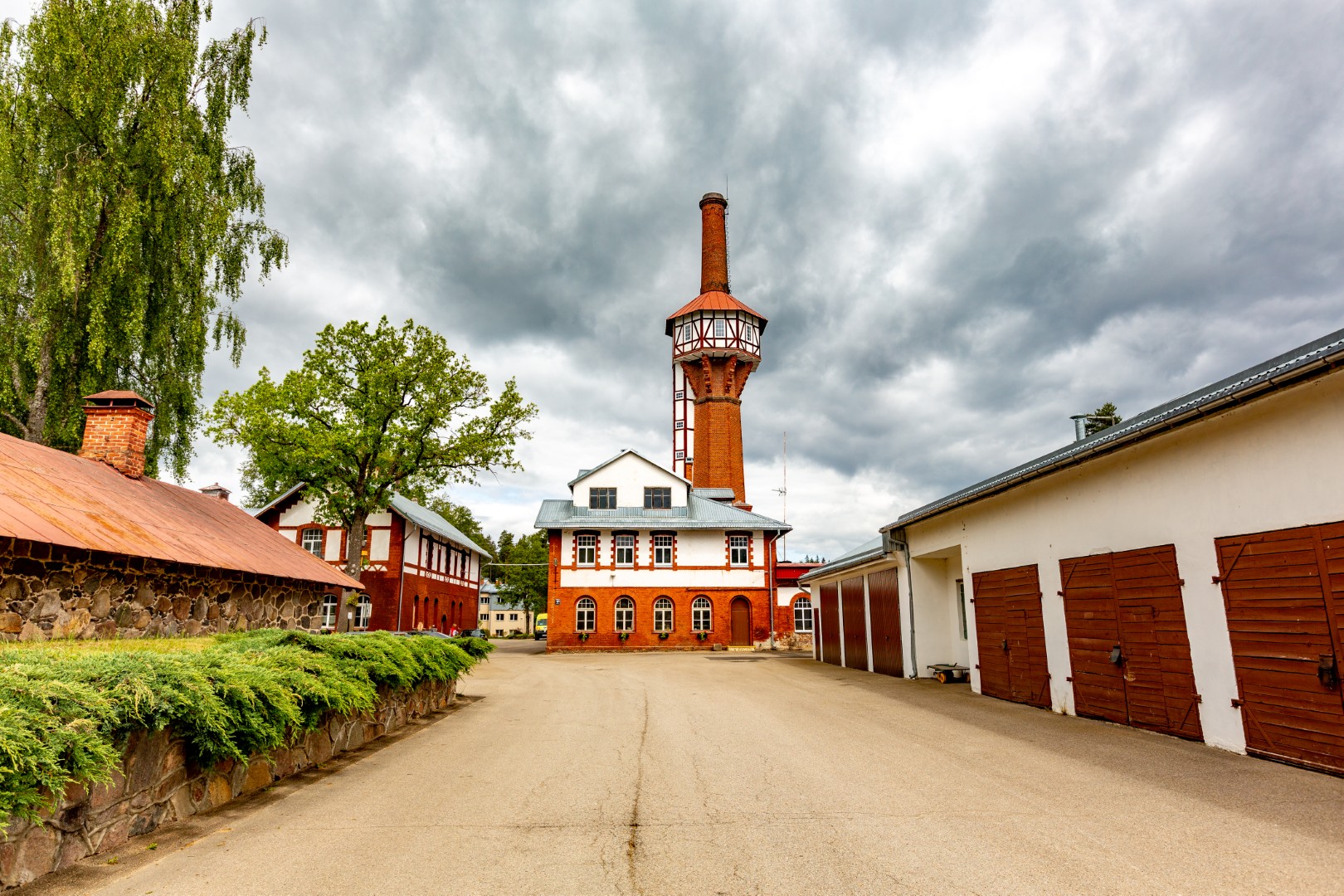
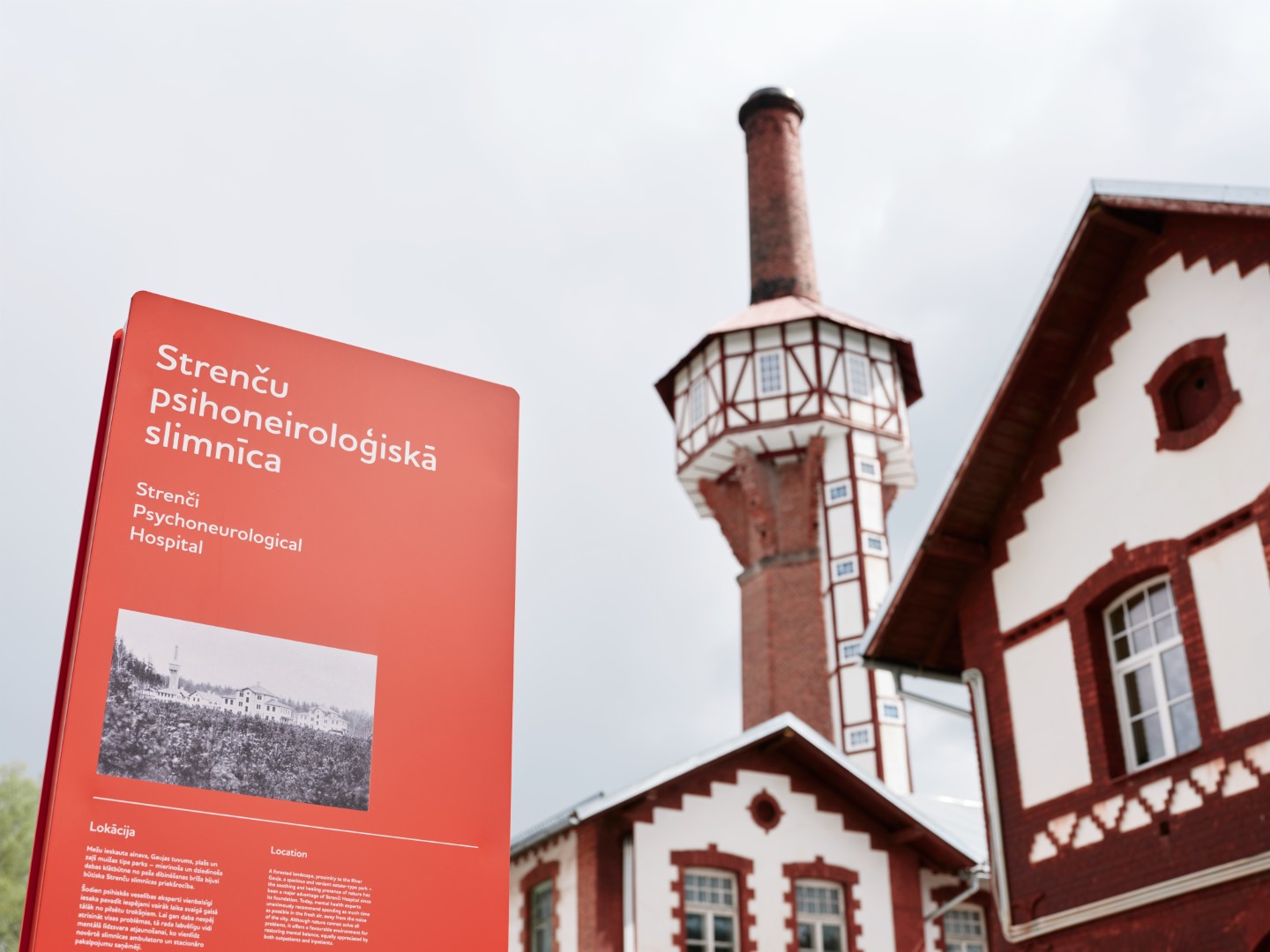
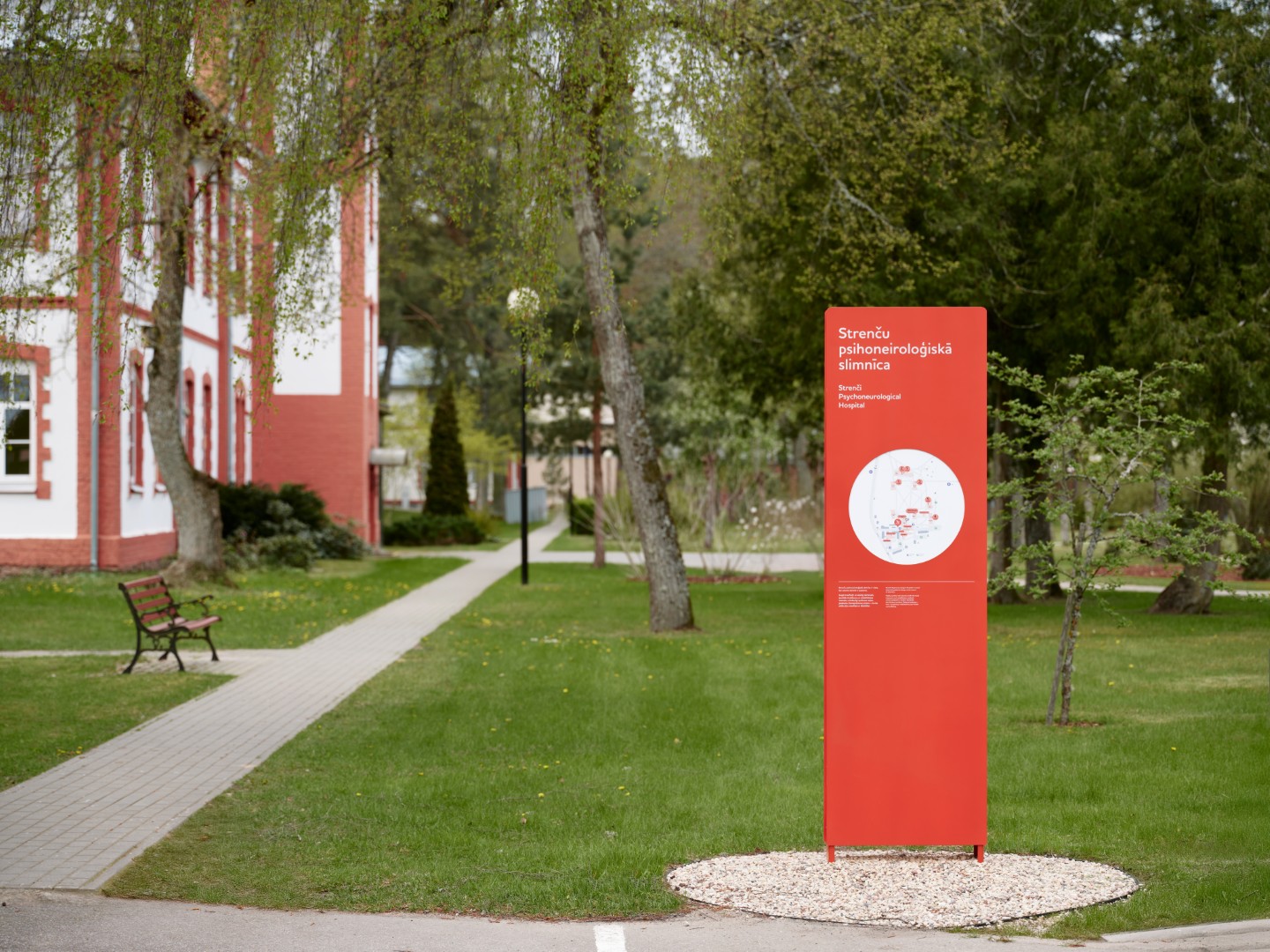
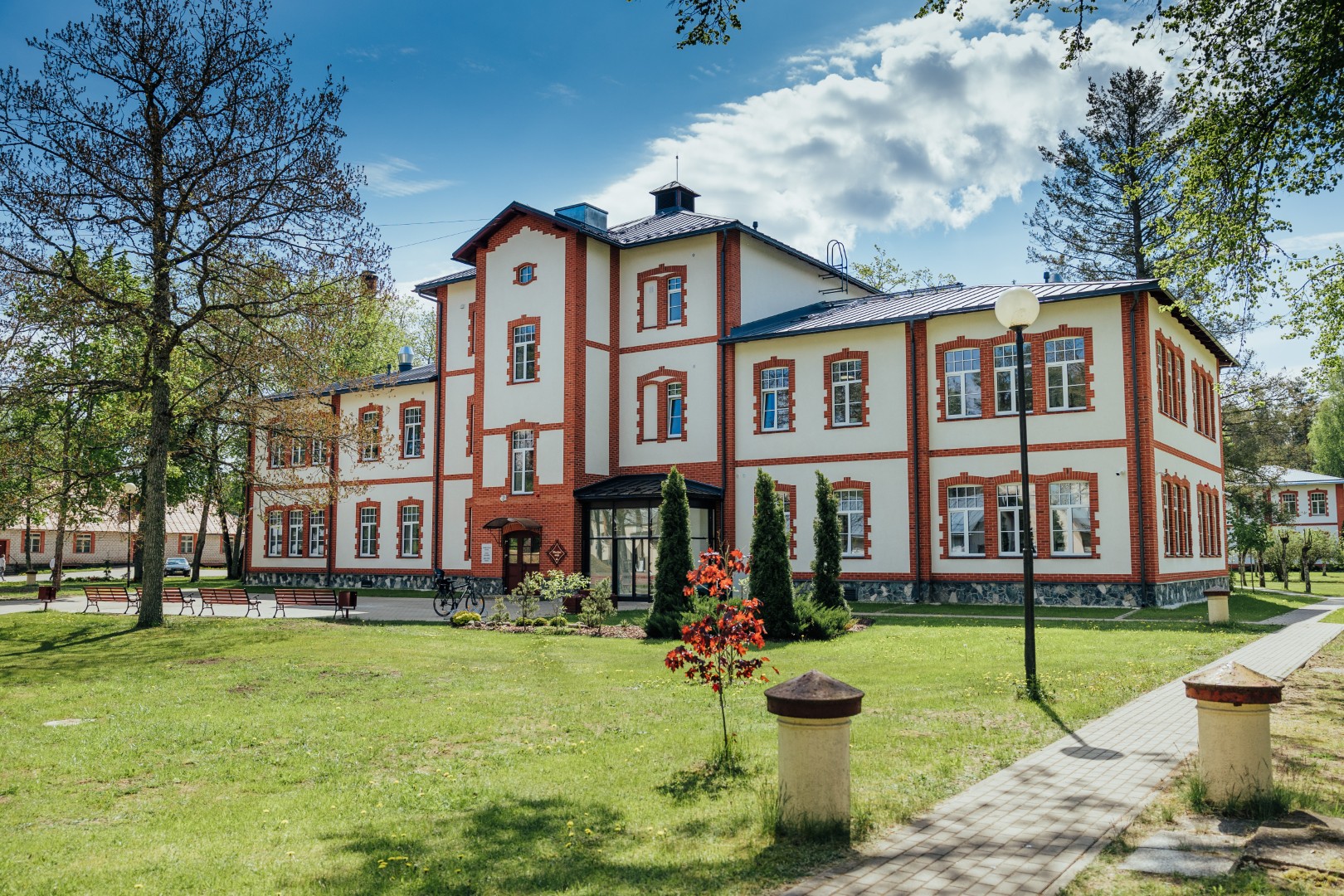
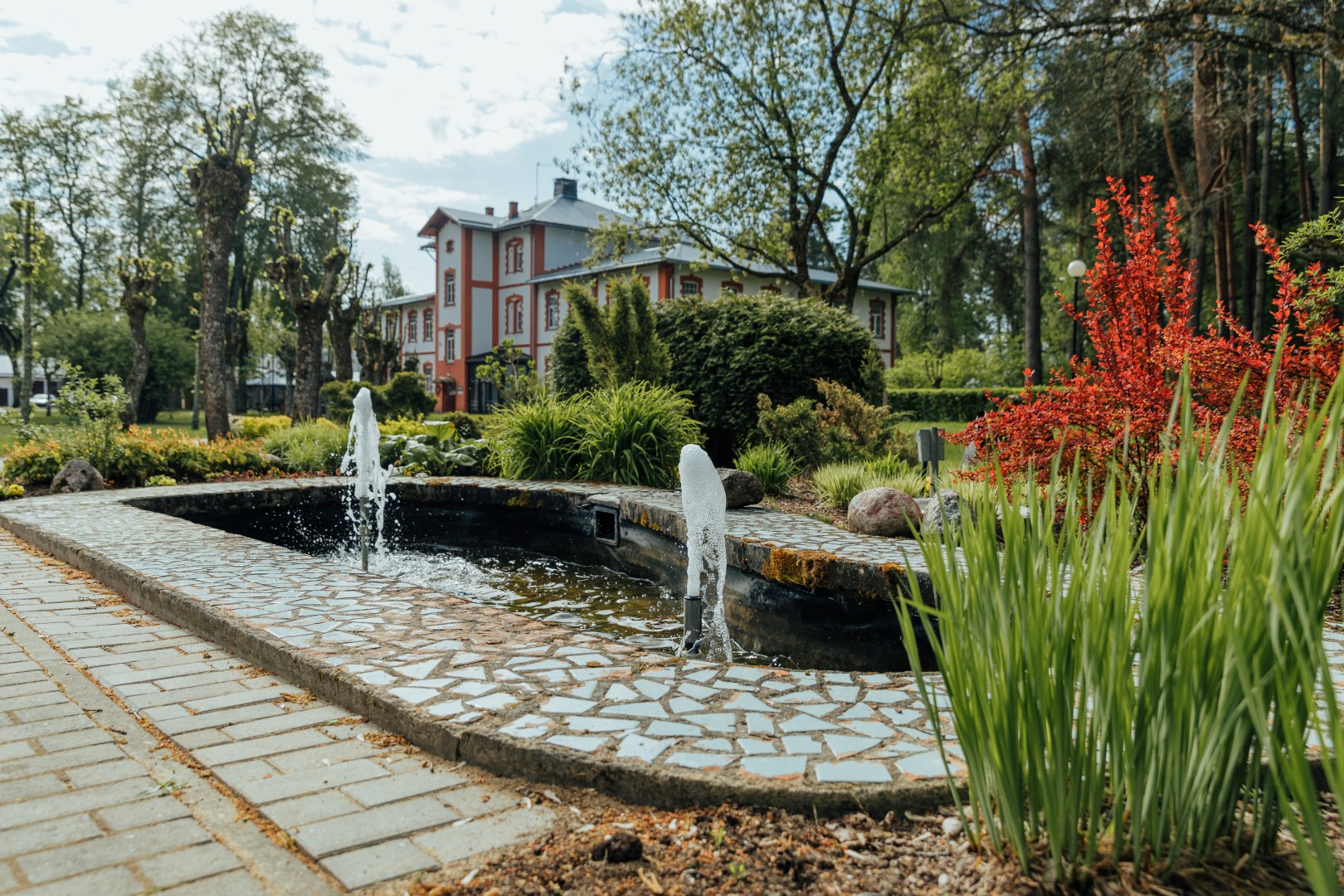
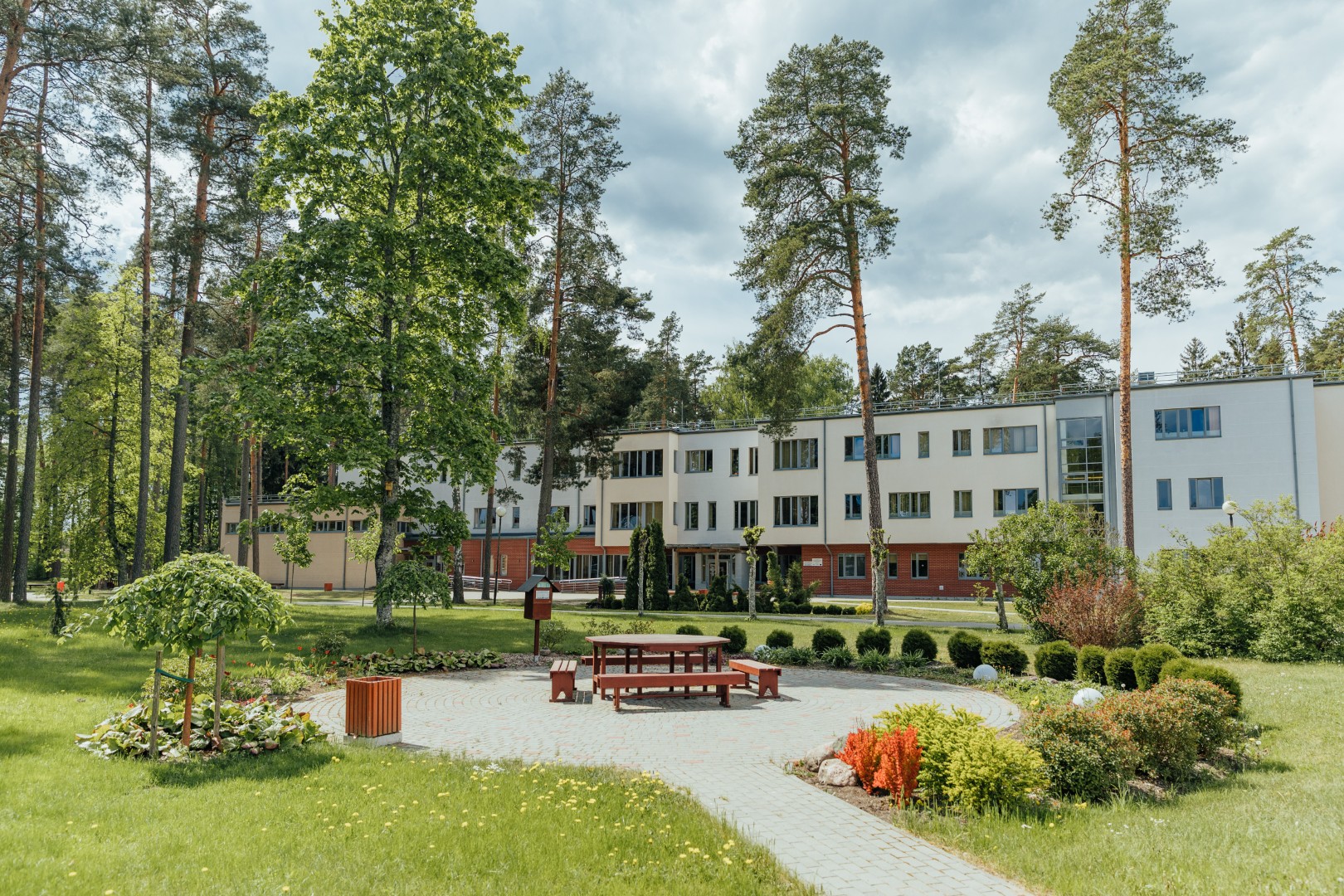
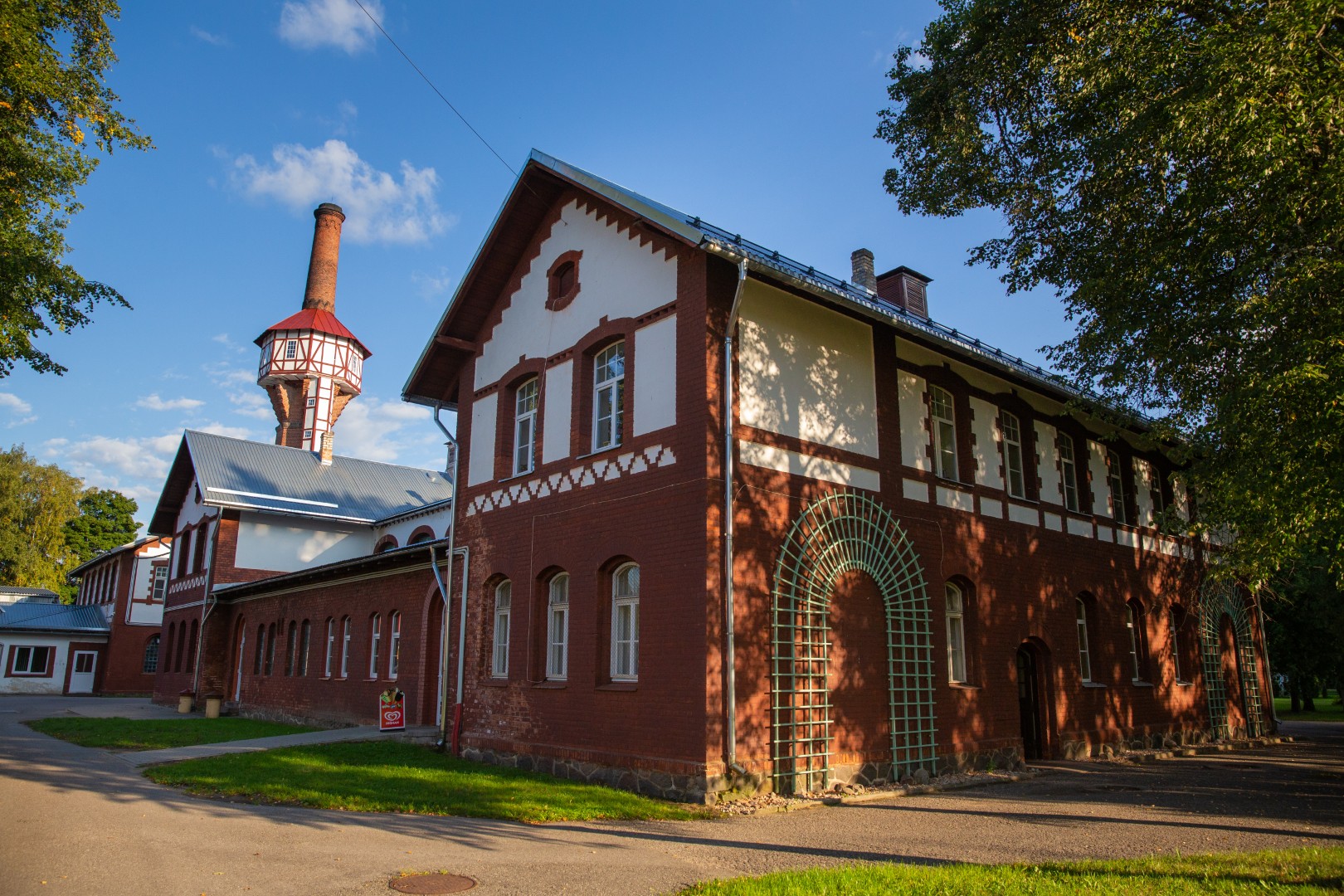
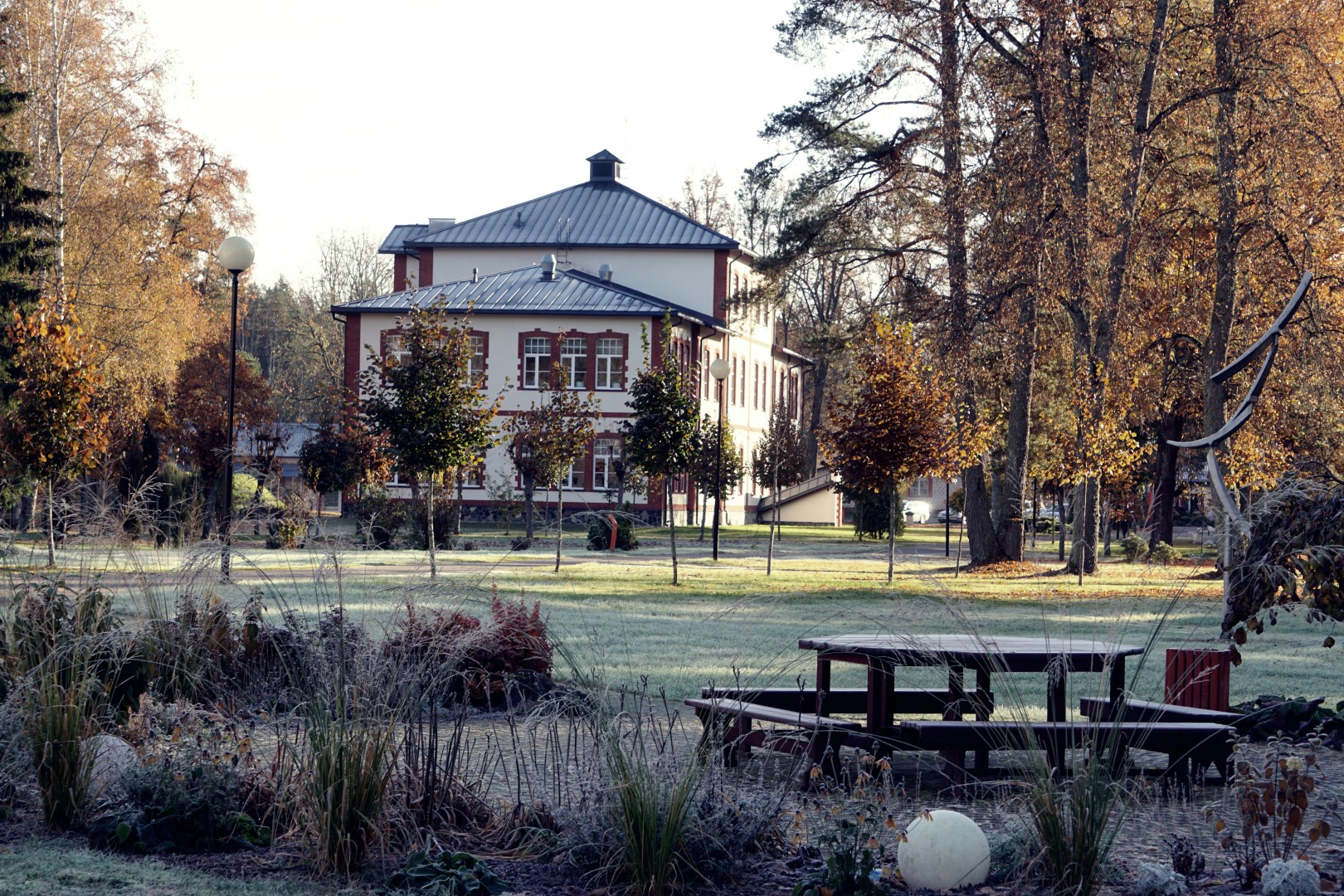
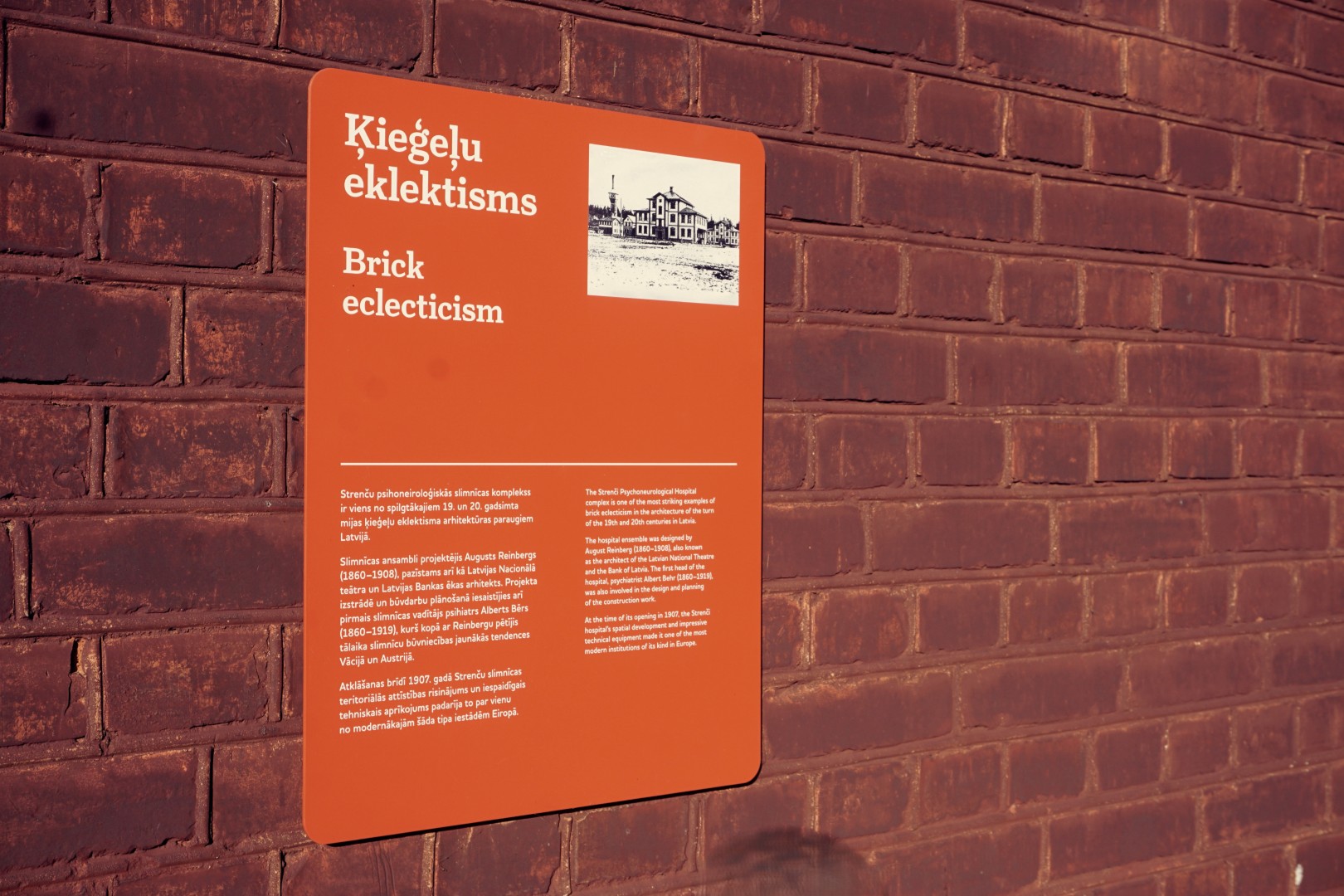
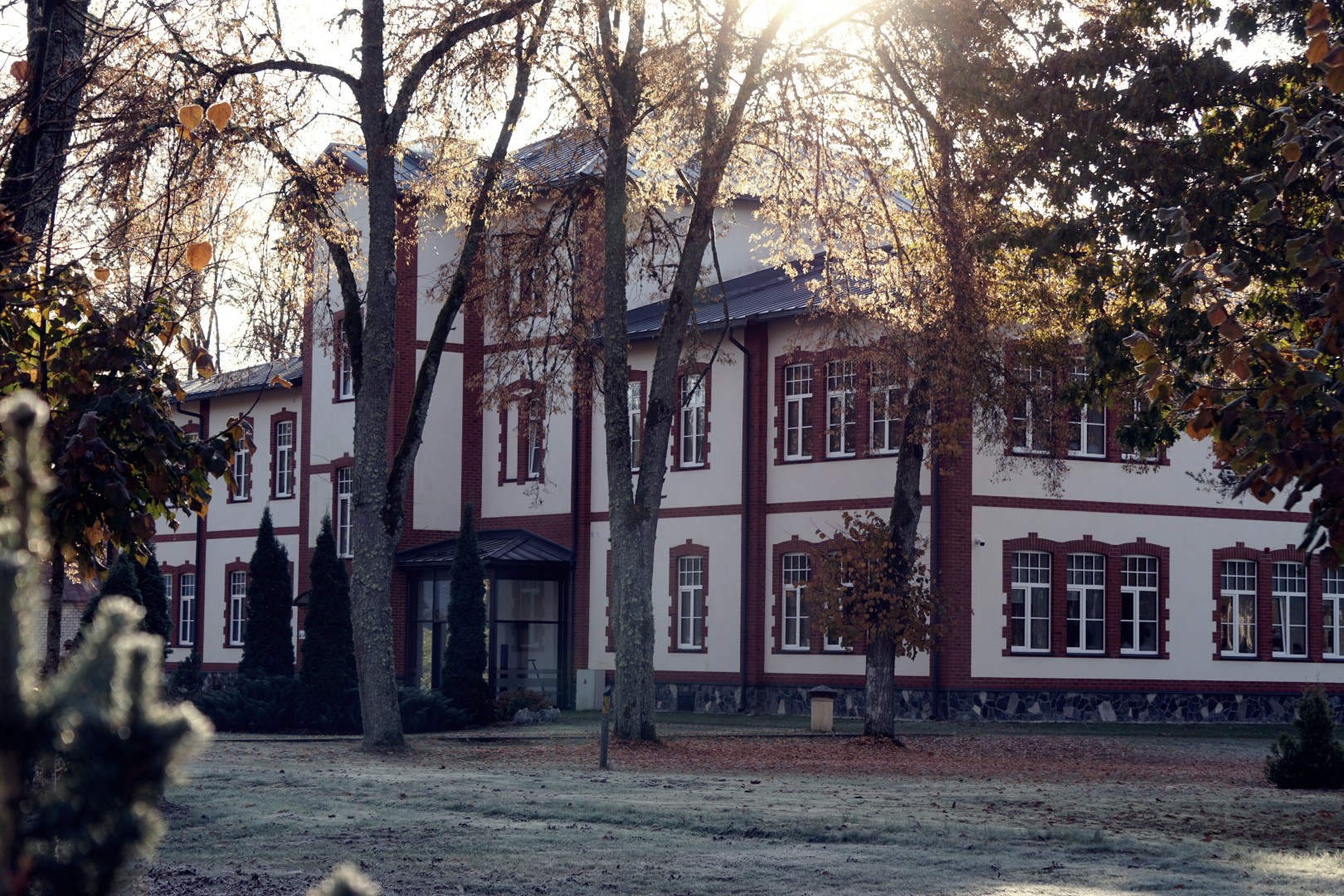
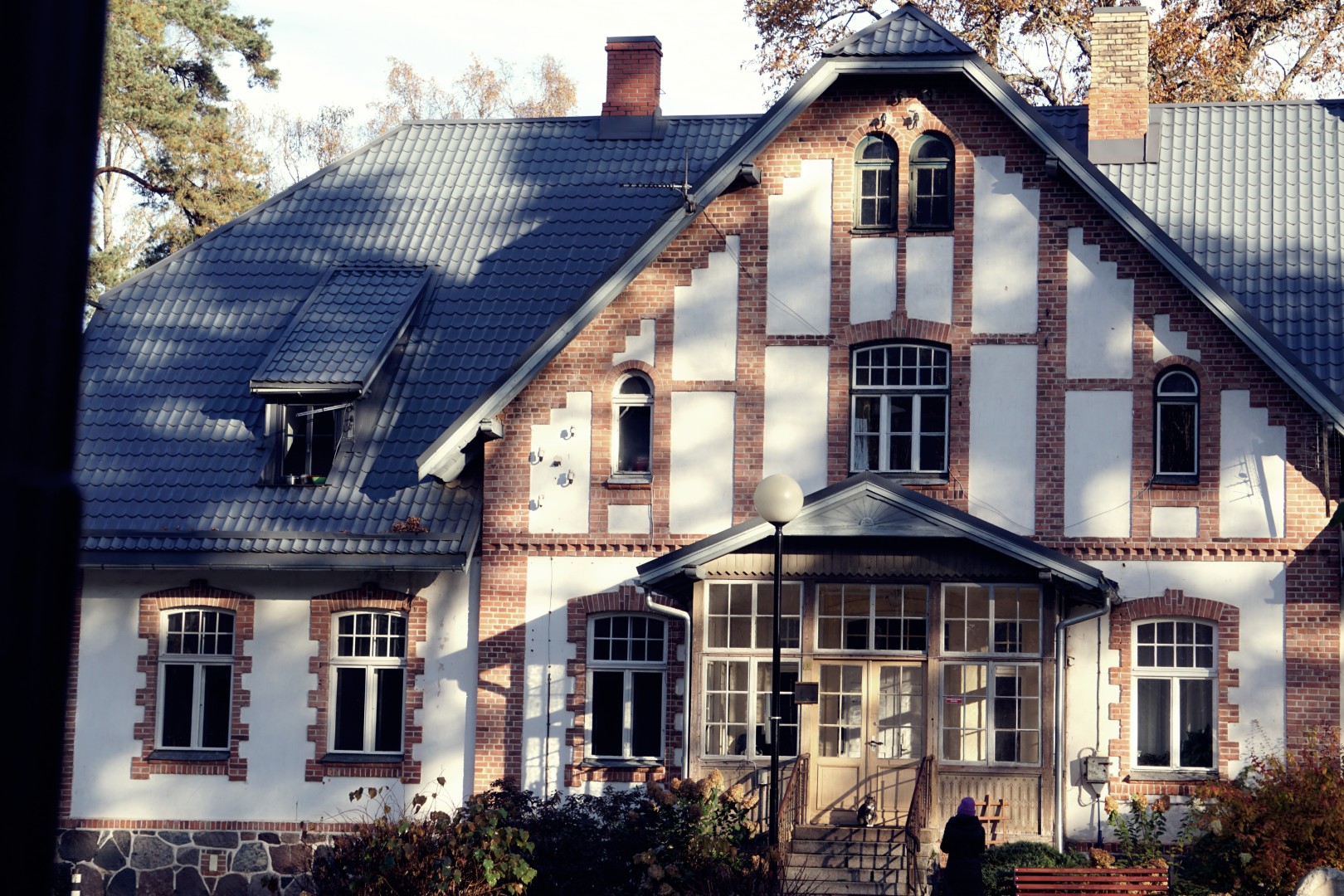
The Strenči Psychoneurological hospital is a unique cultural and historical site with a rare architectural ensemble. The hospital forms a historical building complex and park that reflects the development of medicine, architecture and community in the region. The Hospital Director’s House is an architectural monument of national importance. This lesser-known, often stigmatized place preserves an important story of the interaction of Vidzeme culture and healthcare. The area attracts visitors with a landscaped park, a water tower, which is one of the most unique engineering structures in northern Vidzeme, and eclectic architecture.
A walk in the Hospital Park can be combined with exploring the place through 10 audio guide stories about the architecture of the hospital buildings, the history of the place, the landscape, artistic expressions, and the development and importance of mental health care today.
Once upon a time, this place for the construction of a modern hospital (according to the decision of the Livonian Landtag in 1899) was carefully investigated. The plot of land was selected near the then Stackeln station (Riga – Pskov railway). Good traffic – the proximity of the station and the Tērbata road, clean forest created favorable conditions. Architect Augusts Reinbergs and doctor Alberts Behr submitted the project plans in 1901, and in 1903 they were sent to Austria and Germany to familiarize themselves with the trends of the era in this industry.
The hospital was opened in 1907, meeting the most modern European requirements. The institution was named the Institution for the Healing and Assistance of the Weak in Spirit (Irren Anschtalt in Stackeln).
The buildings in the hospital complex were named after the first patients, for example, Anna’s, August’s, Marija’s, Osvalda’s house. Later, the complex was supplemented with two new houses – Jaunas māja and Reinbergs māja. The widow of architect Augusts Reinbergs donated funds for the construction of the Reinbergs House.
In the 1920s, a town had already developed around the hospital, which in 1937 gained city status under the name Strenči.


